
Precision Gap Control: Solving the Symptoms of Inner Tie Rod Failure
Is Your Steering Compromised? Understanding Inner Tie Rod Wear
In the global automotive supply chain, the reliability of steering components is non-negotiable. For B2B distributors and fleet managers, a “cheap” part often leads to expensive consequences. When an Inner Tie Rod fails prematurely, it isn’t just a mechanical glitch—it’s a safety hazard that manifests through specific, troubling symptoms.
At Great Auto Parts, we tackle these issues at the source: the precise control of the internal clearance between the ball stud and the housing.
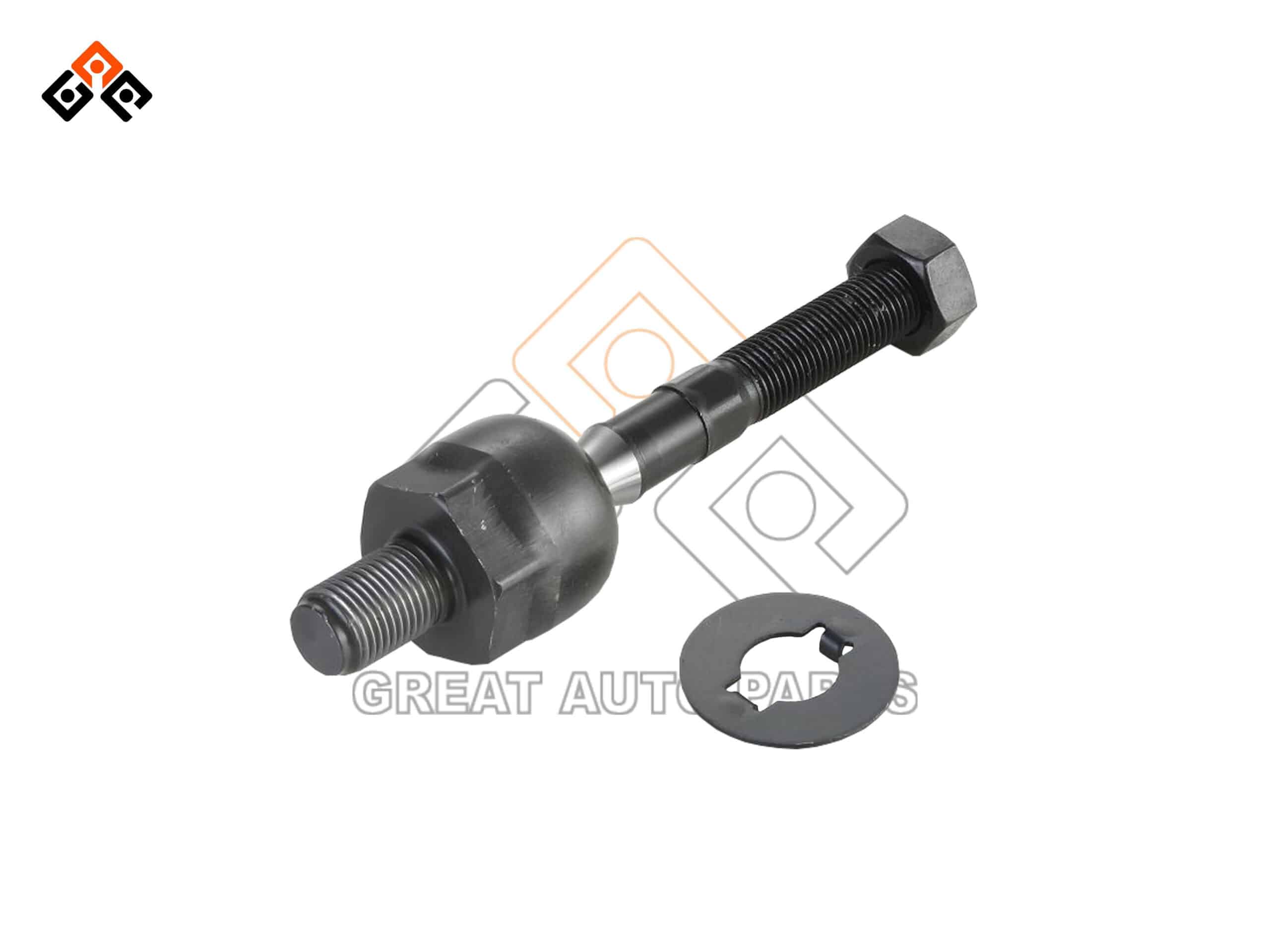
Common Signs of Inner Tie Rod Failure
When the internal gap of an inner tie rod exceeds safety limits, the vehicle will begin to communicate its distress. Recognizing these signs early can prevent catastrophic steering loss:
- Steering Wheel Vibration: As the internal gap widens, the ball stud “shucks” inside the housing, sending rhythmic tremors through the steering column.
- Persistent Clunking or Knocking: A metallic “clunk” when turning the wheel or driving over bumps is the sound of the ball stud hammering against the socket wall.
- Unresponsive or “Loose” Steering: A “dead zone” in the steering wheel, where the vehicle doesn’t respond immediately to input, indicates a loss of precision fit.
- Uneven Tire Wear: Loose rods cause constant alignment shifts, resulting in rapid “feathering” or excessive wear on the tire edges.
The Danger of Improper Clearance: Too Loose vs. Too Tight
Our engineering focuses on the “Golden Ratio” of gap control to eliminate these driving frustrations:
- The Risk of Excessive Gap: If the gap is too large, road impacts cause the ball to hammer against the socket, leading to rapid deformation and the instability mentioned above.
- The Risk of Over-Tightening: If the clearance is too tight, the joint may seize or overheat, potentially leading to a joint fracture and total loss of steering control.
Data-Driven Durability: The 460kg Performance Benchmark
To prevent these failures, we subject our Inner Tie Rods to rigorous laboratory testing. Our components are engineered to maintain a stable operational gap even after withstanding extreme stress.
Engineered Tensile Strength
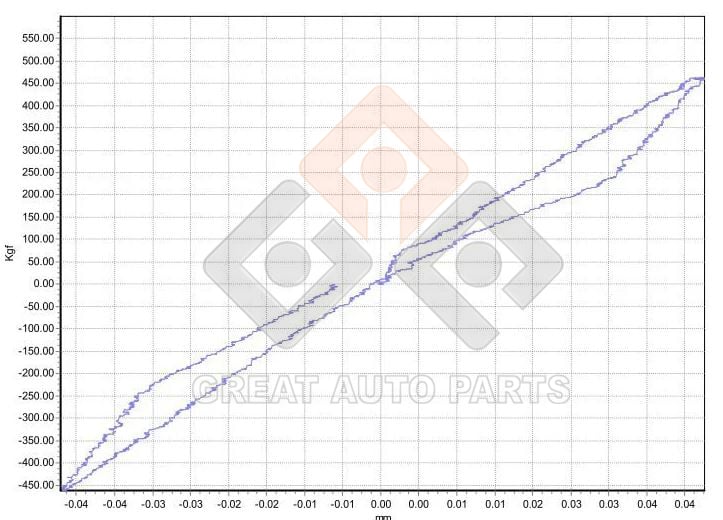
We ensure that tensile strength varies based on the ball head diameter and housing thickness, providing a customized safety margin for every vehicle. In our success cases, our Inner Tie Rods maintain an exceptionally stable clearance even after withstanding a 460kg pull force.
Tailored Inspection Standards by Specification
We have established rigorous design and inspection standards tailored to different product specifications. This ensures that every Inner Tie Rod meets the specific safety requirements of its intended vehicle application:
| Ball Diameter | F1 (Force) | SR (GAP) Benchmark |
| < 25mm | ± 2,500 N | 0.15 mm |
| 25-34mm | ± 4,500 N | 0.20 mm |
| > 34mm | ± 6,000 N | 0.25 mm |
Success Case: Actual Performance Data
The following table demonstrates the stability of a Great Auto Parts Inner Tie Rod under high-load pressure:
| Test Direction | Load (kgf) | GAP (mm) | Free Gap (mm) |
| Pull UP | 460.98 | 0.04 | 0 |
| Push Down | -461.56 | -0.04 | -0.01 |
| Total Difference | 922.54 | 0.08 | 0.01 |
Conclusion: Mastering the Golden Ratio for Driver Safety
Precision manufacturing is the only way to ensure ultimate safety. By mastering the “Golden Ratio” of internal clearance, Great Auto Parts eliminates the risks of both loose-gap deformation and over-tightened fractures. Our commitment to verified data means fewer warranty claims for your business and higher safety for the end-user.
Don’t Wait for the Clunk—Choose Precision Today
Upgrade your inventory with steering components backed by laboratory-verified engineering. [Request a Technical Consultation for Your Product Line]