

Auto Parts Anti-Corrosion Coating and Material Science
Understanding Auto Parts Anti-Corrosion Coating and Material Science
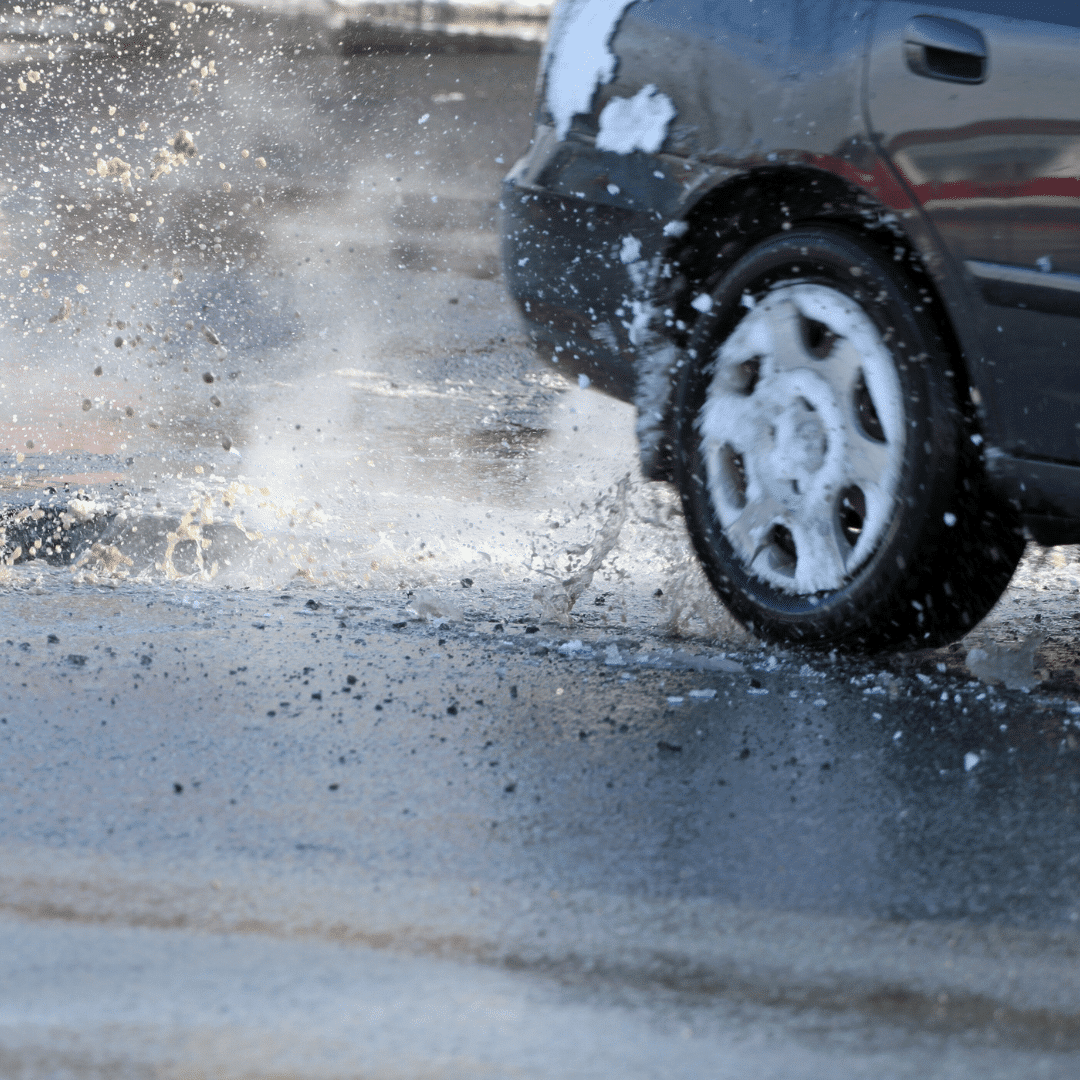
In the specialized field of chassis engineering, Auto Parts Anti-Corrosion Coating and Material Science are the two pillars that define the longevity of steering and suspension systems. Critical components such as tie rod ends, rack ends, and ball joints are perpetually exposed to moisture, road salt, and abrasive debris. If these individual parts lack the proper integration of high-grade steel alloys and advanced surface protection, premature oxidation can compromise vehicle safety. Understanding this specific science is vital for preventing structural degradation and ensuring that every component survives the “chemical war” waged by environmental stressors.
How Corrosion Impacts Materials like SCM440, S45C, and S18C
The effectiveness of any Auto Parts Anti-Corrosion Coating and Material Science strategy begins with the substrate material. Different steel grades respond uniquely to environmental stress and requires specific protective approaches:
SCM440/SAE4140 & SCM439
(Chromium-Molybdenum Steel): These high-strength alloy steels are essential for ball studs. Because they are susceptible to hydrogen embrittlement during certain plating processes, they must be paired with advanced coatings like Geomet or Dacromet.
S45C & S18C
Medium and low carbon steels used for housings and brackets. These materials rely heavily on sacrificial coatings to prevent the rapid surface oxidation common in humid, coastal, or muddy terrains.
According to the standards set by ASTM International, rigorous testing of these metal combinations is the only way to guarantee long-term field performance.
Common Types of Auto Parts Anti-Corrosion Coating
To maximize the service life of chassis components, selecting the right treatment is a core part of Auto Parts Anti-Corrosion Coating and Material Science. Below are several common surface treatments utilized to enhance durability:
| Treatment Type | Technical Characteristics | Optimal Application |
| Geomet & Dacromet | Zinc/Aluminum flake; superior salt spray resistance; no hydrogen embrittlement. | Heavy-duty chassis parts in extreme or coastal climates. |
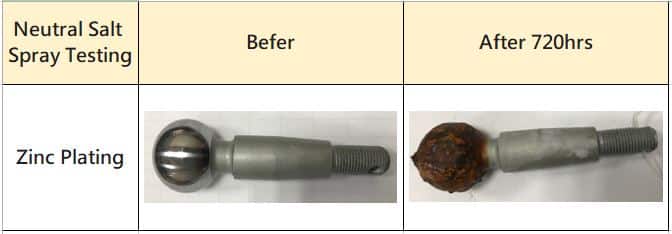
| Zinc Plating | Sacrificial protection; prevents underlying steel from oxidizing in standard conditions. | Urban environments with moderate environmental stress. |
| Manganese Phosphate | Crystalline structure; excellent oil retention for reducing friction in moving joints. | Internal steering components and storage protection. |
| Black Oxide / Blackening | Chemical conversion; provides a clean finish with minimal dimensional change. | Precision-machined parts with tight tolerances. |
The Synergistic Role of Dust Covers in Auto Parts Anti-Corrosion
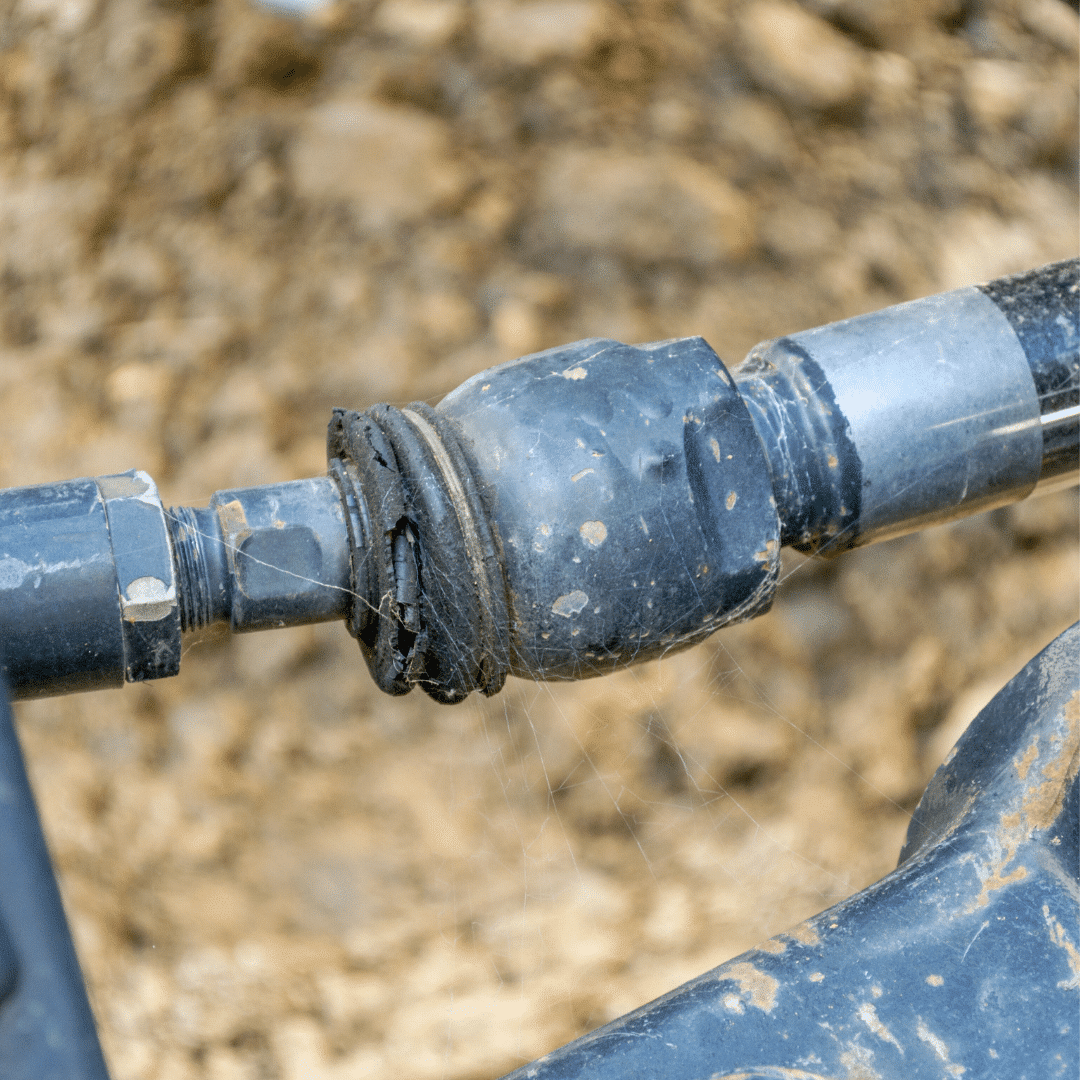
Within the scope of Auto Parts Anti-Corrosion Coating and Material Science, the Dust Cover (Rubber Boot) serves as a critical secondary defense. While the coating protects the metal exterior, the dust cover seals the internal ball joint mechanism from grit and moisture. By utilizing premium CR or NBR rubber, we ensure that the internal lubrication remains pure, preventing rust from developing from the inside out. For more information on automotive material standards and testing, you can visit the SAE International portal.
Validation Through Neutral Salt Spray (NSS) Testing
How do engineers verify these coatings? The industry standard is the Neutral Salt Spray (NSS) Test. By placing components in a controlled, highly saline environment, we can simulate years of coastal air or salt-treated road exposure in just a few hundred hours. A high-performance coating on SCM440 steel, for instance, should ideally withstand 480 to 720+ hours of salt spray without showing signs of red rust, ensuring that the component will last well beyond its intended service period even in muddy or humid terrains.

Great Auto Parts: Your Partner in Anti-Corrosion Science
At Great Auto Parts, we bridge the gap between material engineering and real-world component durability. With over 30 years of expertise and a dedicated testing facility, we don’t just manufacture; we consult. We specialize in tailoring Auto Parts Anti-Corrosion Coating and Material Science to your specific needs—matching alloy steels like SCM440, S45C, or S18C with the most effective treatments like Geomet or Dacromet. As your reliable partner, we are committed to helping you increase component lifespan, reduce replacement frequency, and build an unshakable reputation for quality.